

 See My Latest Article on HelloNation
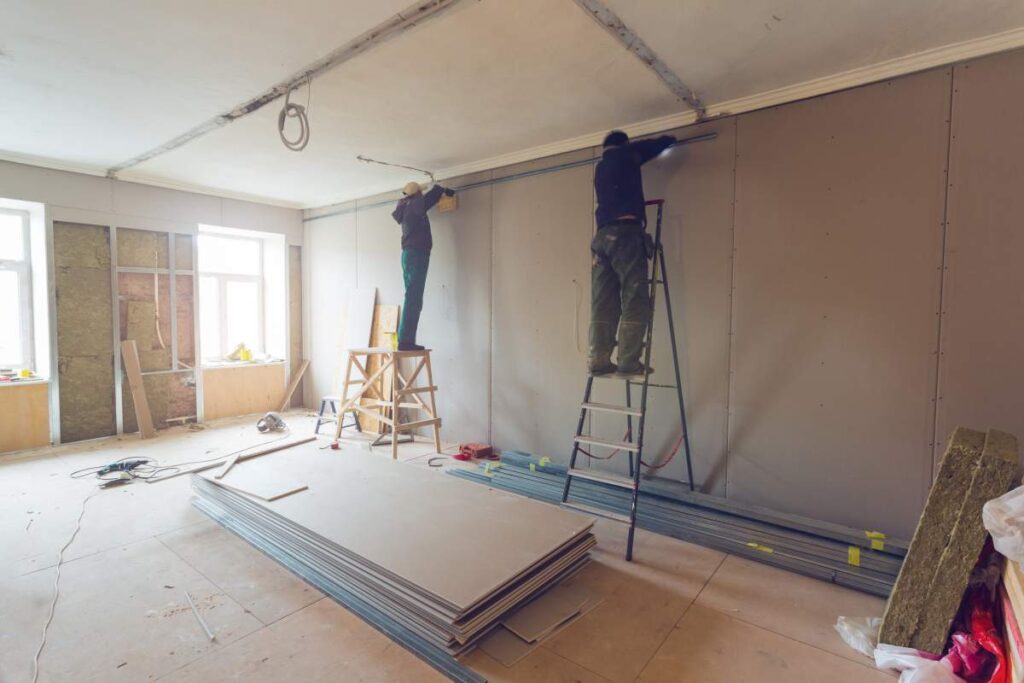
What Practical Steps Reduce Energy Bills in Howard, OH?
The best way to reduce high energy bills in Howard, OH is by addressing where energy is most often lost: heating, cooling, and insulation. Local homes frequently spend extra on climate control due to temperature swings from cold winters to hot, humid summers. Some steps are simple and affordable, while others may require more planning.
Common energy-saving actions that local residents see benefits from include:
- Sealing drafty windows and doors
- Upgrading or adding insulation, especially in attics and crawl spaces
- Switching to LED bulbs for long-term savings
- Installing programmable thermostats for better temperature management
Many households overlook smaller leaks around plumbing or electrical openings. Sealing gaps with expanding foam or weatherstripping can cut heat loss and keep cooled air in during summer.
Where Does Energy Loss Happen Most in Local Homes?
Most energy escapes through the building envelope—walls, roof, windows, and doors. In Howard, older houses may have single-pane windows or insufficient attic insulation.
In particular:
- Attics lose warmth quickly if insulation is thin or compressed
- Windows can leak drafts or transfer heat easily if not double glazed
- Gaps at doors, floors, or electrical outlets let conditioned air escape
- Basements and crawl spaces are often overlooked sources of heat loss
A simple way to check for drafts is to hold a lit incense stick or candle near suspected leaks around windows or exterior doors on a windy day. If the smoke wavers or is sucked outside, sealing or more insulation could help.
What Upgrades Work Well for Howard’s Climate?
Howard’s fluctuating seasonal temperatures mean efficient insulation and HVAC systems are especially valuable. The following upgrades typically make a difference:
- Attic Insulation: Adding more blown-in or batt insulation improves comfort and keeps heating and cooling equipment from working overtime.
- Window Replacement: Efficient double- or triple-pane windows reduce heat loss in winter and slow heat entry during summer.
- High-Efficiency HVAC Units: Older systems may run inefficiently, so upgrading to an Energy Star-rated model can lower energy use over time.
- Sealing Ducts: Heated and cooled air often gets lost in leaky ducts, especially in older homes. Sealing or insulating these ducts keeps more energy in the living space.
Local homes with crawl spaces should consider vapor barriers and insulation to prevent moisture and limit heat transfer from the ground.
Are Smart Home Devices Worthwhile for Saving Energy?
Programmable and smart thermostats offer noticeable savings by automatically adjusting temperatures when residents are asleep or away. In Howard’s climate, a thermostat that lowers heat overnight or during unoccupied hours in winter and moderates cooling demand in summer can result in lower utility bills with little effort.
Smart plugs, occupancy sensors, and energy monitors also let households track usage and spot waste—for example, turning off electronics that draw power even when not in use.
How Does Water Usage Affect Home Energy Efficiency?
Hot water heating is a significant energy cost for many homes in the city. Several actions can lower these costs:

- Installing low-flow showerheads and faucet aerators
- Insulating water heater tanks and pipes
- Reducing hot water temperature to 120°F, which is usually comfortable for showers while saving energy
If replacing a water heater, efficient heat pump or tankless models use less energy, especially for larger households.
Are There Local Rebates or Incentives for Energy Upgrades?
Residents occasionally have access to energy efficiency programs through state or utility agencies. Some utilities offer rebates for insulation upgrades, HVAC improvements, or appliance replacements. Utility providers frequently conduct free or low-cost energy audits, giving households specific recommendations based on their property and usage.
Public agencies seldom advertise these programs aggressively, so checking utility statements or official websites can reveal available opportunities to offset upgrade costs.
What Energy Improvements Are Often Overlooked?
Many people in the community focus on big-ticket upgrades, forgetting that smaller, less expensive adjustments can add up. Blind spots include:
- Using heavy curtains or window quilts in winter to hold warmth inside overnight
- Installing pipe insulation on hot water lines that travel through cold basements or crawl spaces
- Keeping HVAC filters clean to prevent strain on heating and cooling equipment
- Clearing vents and radiators for unrestricted airflow
Homeowners sometimes forget to address rooms that are less frequently used, leading to wasted heating or cooling in unused areas. Draft stoppers and shutting vents in spare rooms can improve overall efficiency.
What Are Some Common Misconceptions in the Area?
A common misconception is that energy savings only come from expensive replacements. Many homes in Howard can see lower bills just by tightening up insulation and making small, consistent changes in daily habits.
It’s also a myth that newer homes don’t need improvement. Even homes built in the past two decades can have minor leaks or under-insulated areas. Ongoing assessment helps maintain optimal energy use regardless of a home’s age.