

 See My Latest Article on HelloNation
What Are Open Concept Living Spaces?
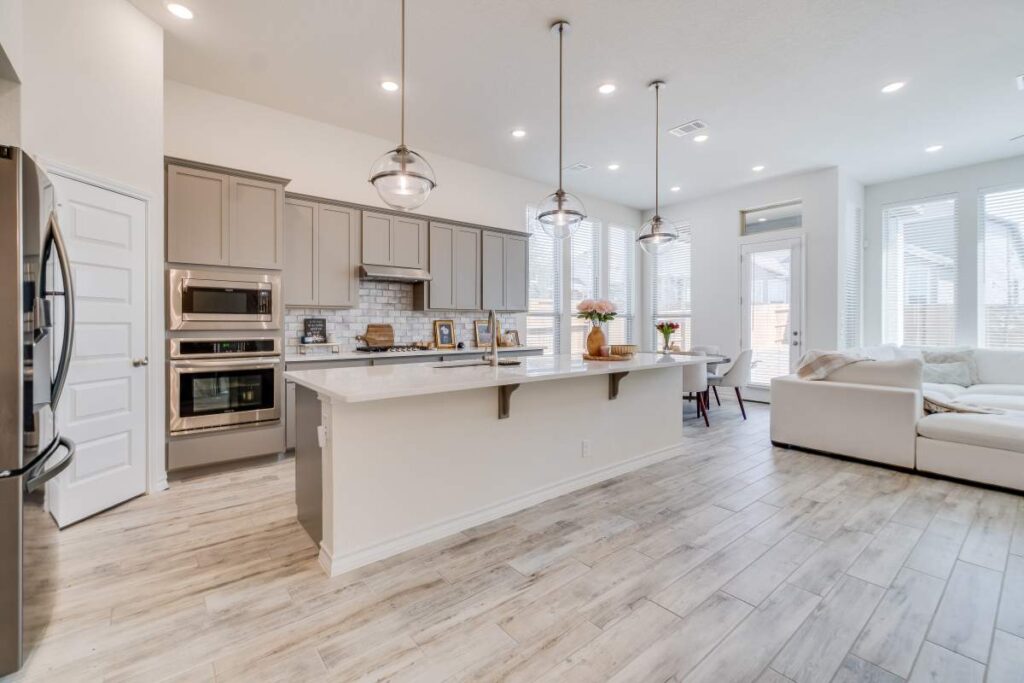
Open concept living spaces refer to floor plans that eliminate most interior walls, creating a continuous flow between the kitchen, living, and dining areas. This approach is popular in both new construction and remodeling projects in Howard, OH. Residents often consider open layouts to maximize light, promote family interaction, and modernize older homes.
How Do Open Layouts Change Daily Living for Howard Households?
Open layouts can make homes feel brighter and more spacious, which is especially appealing in homes that may have smaller footprints or limited natural light during winter. Without walls to block windows, daylight can spread more evenly throughout commonly used areas. Families in the area can find it easier to keep an eye on children or converse with guests while preparing food.
However, having a combined space means that activities—like cooking, watching TV, or working on projects—can overlap acoustically and visually. For example, it might be hard to concentrate on homework or remote work if someone else is watching television a few feet away. In multi-generational households or during gatherings, this lack of separation may sometimes lead to a need for more private spaces.
What Are the Main Benefits of Open Concept Living in Local Homes?
The most commonly enjoyed benefits by area households include:
- Better use of natural light: With fewer barriers, sunlight from any window can brighten multiple areas.
- Visual spaciousness: Even compact homes feel larger due to unobstructed sightlines.
- Social connectivity: Cooks, kids, and guests can interact easily, making holidays and get-togethers more inclusive.
- Flexible furniture layouts: Rearranging seating or play areas is easier without walls dictating arrangement.
Homes in Howard often have traditional room divisions, especially those built before the 1990s. Opening up these spaces can modernize the feel without expanding the home's footprint, which is helpful for residents looking to adapt to changing household needs without moving.
What Challenges or Downsides Might Residents Experience?
While open layouts have distinct appeals, some residents realize they miss the advantages of defined rooms, including:
- Noise spreads easily: Activity in one area is heard everywhere, making simultaneous multi-use tricky.
- Cooking odors travel: Scent from the kitchen permeates the entire living area, which some people find unpleasant after meals.
- Heating and cooling complexity: Large open areas can be less energy-efficient if ductwork and HVAC were designed for more contained rooms, possibly requiring adjustments for local seasonal temperature swings.
- Reduced wall space: Less space for artwork, shelving, or privacy needs can be a drawback, especially for those who want to display family photos or collections.
During winter months or during gatherings when people wish for quiet corners, the lack of cozy, separate spaces can be noticeable.
Is Privacy a Concern with Open Concept Homes?
Open concept layouts remove visual privacy between spaces. In practice, this means activities like phone calls or meetings lack separation from common household routines. For families with older kids, roommates, or those working from home, the absence of doors can be a daily frustration.
Residents who often host overnight visitors or provide multi-generational living arrangements may find that creating a sense of retreat requires creative solutions, such as portable screens or partial walls.
Are Open Floor Plans Suitable for All Types of Howard Residences?
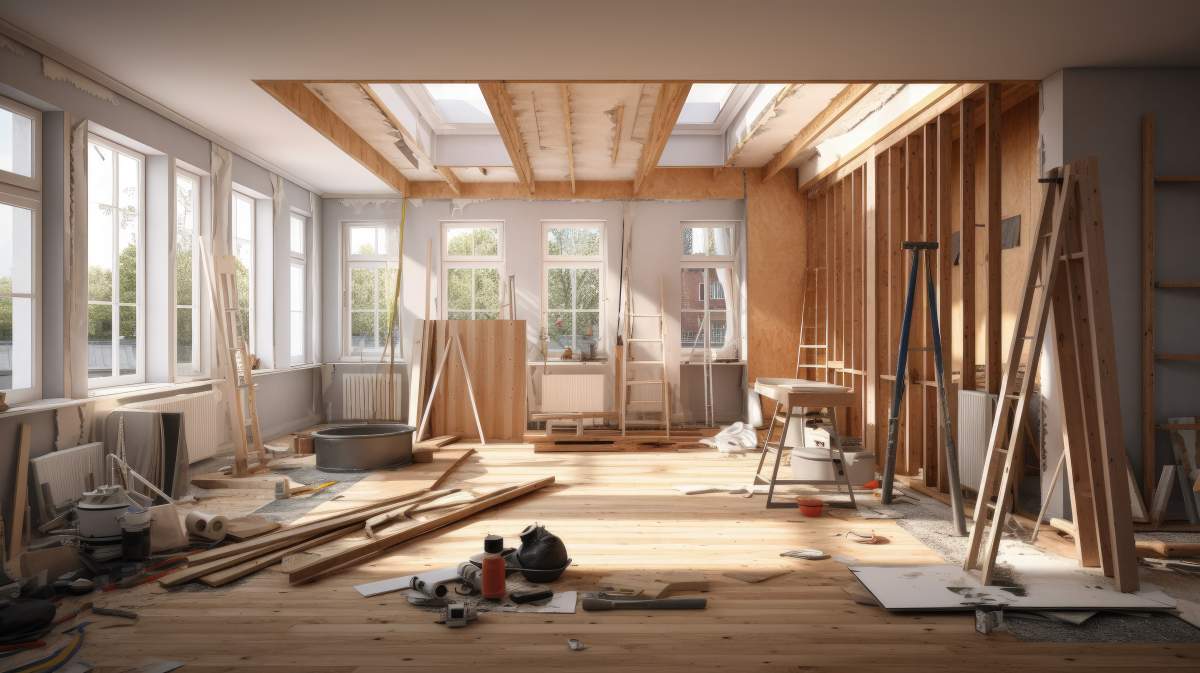
Open concepts work best in homes where the supporting structure allows for wall removal or redesign. Some older Howard residences have load-bearing walls or unique layouts that complicate this change. Additionally, homes with significant noise-generating appliances or with frequent entertaining may find that an entirely open plan isn't practical for everyday comfort.
It’s possible to blend open and traditional living by removing some, but not all, walls—keeping separate areas for privacy while gaining more openness.
How Does Climate Affect the Practicality of Open Spaces?
Local climate plays a subtle but important role in floor plan choices. Howard experiences cold winters and variable shoulder seasons, making effective heating and comfort a priority. Open layouts may make it harder to warm up living areas efficiently if insulation or ductwork isn’t updated along with the remodel.
Window choices, placement of vents, and drapery all become more important considerations in keeping the space comfortable. In contrast, in the warmer months, open areas can feel airier and more inviting for gatherings.
What Are Some Strategies for Balancing Openness and Function?
Successful open layouts sometimes use partial dividers, different flooring materials, or strategic furniture placement to visually define areas without closing them off completely. For instance, a kitchen island can mark the edge of a cooking zone, while a bookcase or lowered ceiling beams can create distinctions between a TV nook and dining space.
Some Howard homeowners choose semi-open layouts—eliminating only selected walls, or using double-door entries for flexible openings between rooms.
What Do Residents Often Overlook When Considering an Open Concept Remodel?
A common misconception is that any home can be easily transformed into a wide-open space. In reality, architectural constraints, local building codes, and the home’s original heating and electrical systems must be considered. Structural walls, wiring, and support posts often need professional assessment to ensure safety and functionality.
Additionally, local households sometimes underestimate the impact of sound and mess visibility—what feels neat and serene in a newly staged open area can require extra tidiness and careful organization in day-to-day life.
Residents contemplating open concept remodeling often benefit from speaking with neighbors or visiting homes with similar designs to get a sense of what works best for their routines.