

 See My Latest Article on HelloNation
What Flooring Types Handle High Foot Traffic Best?
Certain flooring materials consistently prove more resistant to wear in busy spaces. For homes in Howard, OH, such spaces may include entryways, kitchens, hallways, mudrooms, and family rooms. Durable flooring options worth considering include:
- Porcelain or ceramic tile: Exceptionally hard, resists scratching, easy to clean, and unaffected by moisture or muddy boots. Tile works particularly well near doors and in kitchens.
- Luxury vinyl plank (LVP): Mimics the look of wood, provides excellent scratch and dent resistance, and is softer underfoot than ceramic tile. LVP holds up well through Ohio's muddy springs and snowy winters since it is waterproof.
- Laminate: A cost-effective alternative to LVP, laminate handles moderate daily wear, though water-resistance varies.
- Solid or engineered hardwood (preferably finished with strong surface sealants): Classic look and long lifespan. Harder woods and tougher finishes fare better in busy homes, but are more susceptible to scratches and water damage compared to tile or vinyl.
- Natural stone: Slate or porcelain stone-look tile stand up to foot traffic but may require routine sealing.
Many local families choose resilient flooring in zones where pets, children, or outdoor activity are common—especially near exterior doors or garage entries.
How Does Howard's Climate Affect Flooring Choices?
The region’s seasonal changes, with cold, snowy winters and humid summers, influence how well flooring performs over time. Area households need to consider:
- Expansion and contraction: Real wood expands with humidity and contracts during colder, drier months. Engineered hardwood adapts better than solid wood.
- Moisture: Waterproof options such as tile and LVP are smart for mudrooms, finished basements, and laundry spaces where snow or rainwater regularly collects.
- Dirt and grit: Road salt, sand, and mud tracked in during winter or spring can scratch softer surfaces. Durable mats at entrances, plus periodic cleaning, help prevent damage.
Is Carpet a Good Choice for Busy Areas?
Carpet is generally not ideal for high-traffic zones. Although it adds warmth, most carpets wear quickly with frequent foot traffic and can become stained from shoes or pets. Short, dense loop styles (like Berber) resist crushing more than plush varieties, but cleaning demands increase. For heavy use zones in the local climate, hard-surface options are often more practical.
What Should Homeowners Know About Maintenance and Lifespan?
All flooring needs upkeep, but some materials make this easier:
- Tile: Simple sweeping and mopping. Grout lines may darken over time and periodic resealing is helpful.
- LVP and laminate: Require routine sweeping or vacuuming and an occasional damp mop. Avoid soaking laminate, which can swell if water seeps into seams.
- Hardwood: Prefers dry cleaning methods, such as dust mops or vacuums. Recoating or refinishing may eventually be needed for scratches and dullness.
- Stone: May require periodic sealing to repel stains and moisture. Sweep up grit promptly to avoid scratches.
Proper entryway mats and regular shoe removal indoors help extend any floor’s appearance in busy households.
Are There Safer, Low-Maintenance Choices for Families and Pets?
For homes with pets or young children, look for flooring rated for both slip resistance and easy clean-up. LVP and tile with textured finishes help prevent slips, repel moisture, and resist claws or spills. Darker colors and subtle patterns hide scuffs and tracked-in debris better than very light or glossy options.
Which Overlooked Factors Can Impact Durability?
Some durability problems stem from installation or finish choices rather than the flooring itself:
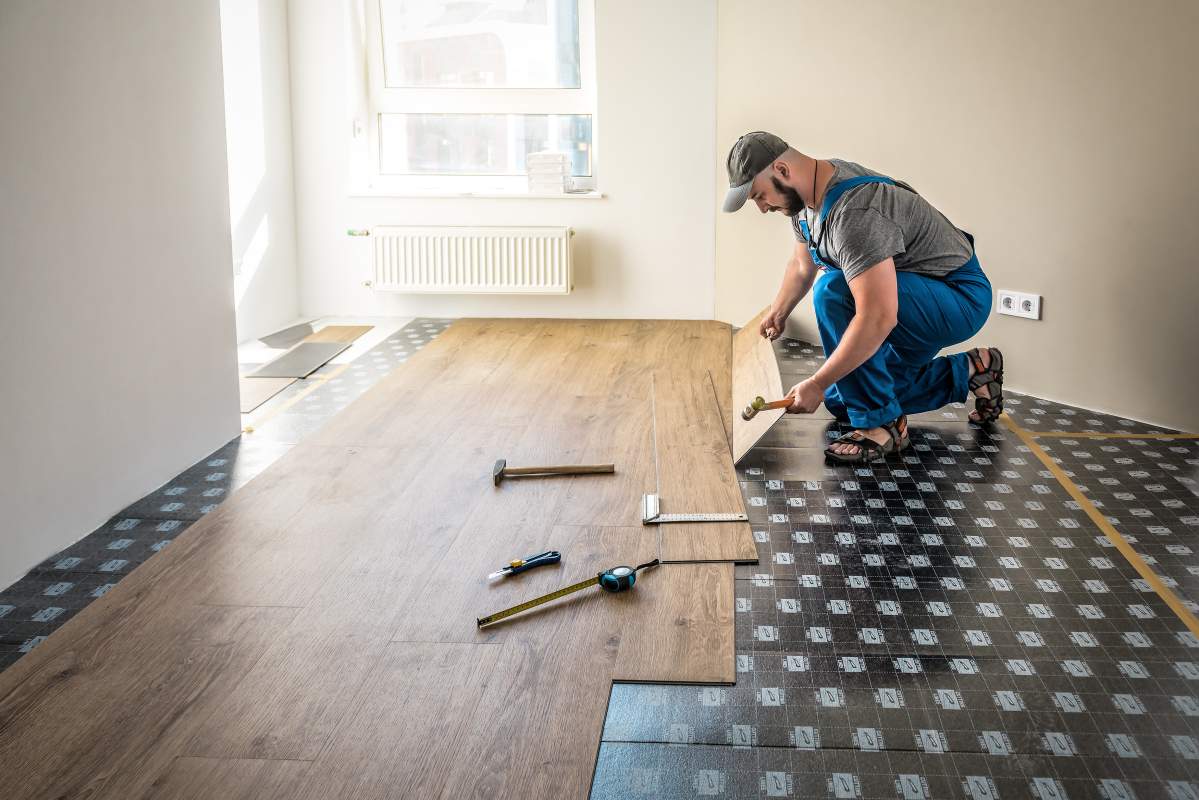
- Subfloor quality: An uneven or poorly prepared subfloor can cause noise, flexing, or premature wear.
- Protective finishes: Higher-sheen hardwood shows scratches easily; matte or satin finishes can help disguise minor marks.
- Floor pads and felt protectors: Essential beneath furniture legs to prevent gouges or scrapes, especially in busy zones.
- Transition strips: Where different flooring types meet, these help reduce tripping and shield edges from wear.
What Flooring Mistakes Do Local Residents Commonly Make?
Area households sometimes overlook:
- Water-resistance for ground-level entries: Unsealed hardwood and many laminates don’t fare well inside exterior doors.
- Underestimating sunlight: South-facing rooms see more fading. UV-resistant finishes can help.
- Skimping on cushioning: Cushioned vinyl or underlayment with LVP makes standing easier and reduces noise—useful in busy kitchens and family rooms.
Seasonal humidity fluctuations are easy to underestimate. Allowing flooring to acclimate before installation and choosing stable materials are key steps for long-term performance in Central Ohio homes.