

 See My Latest Article on HelloNation
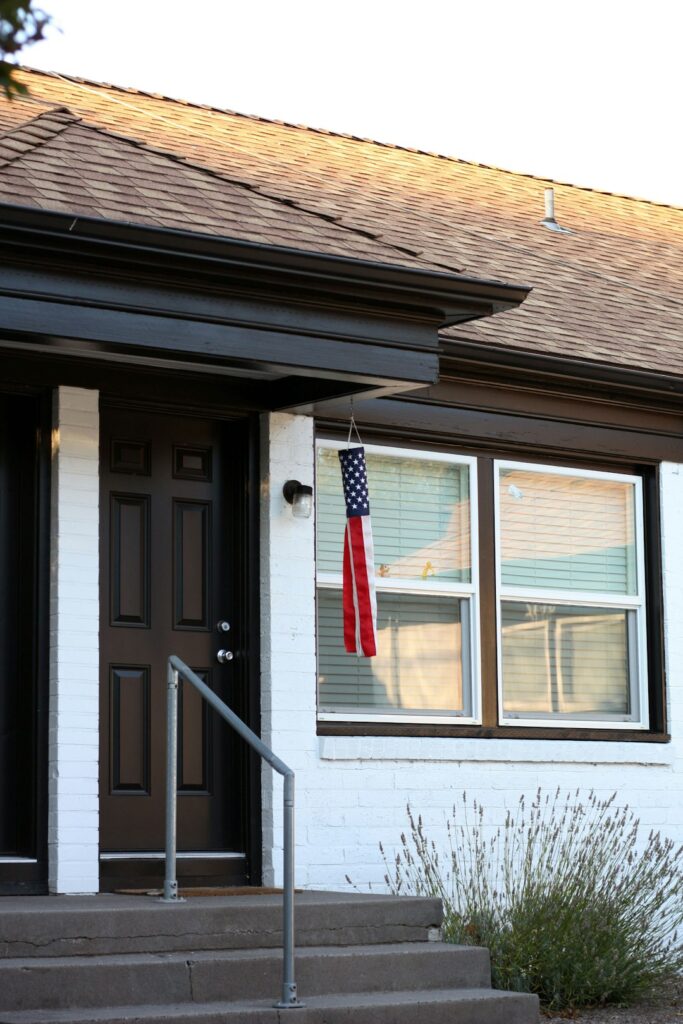
Improving curb appeal does not require a major exterior renovation. In Howard, OH, the most noticeable changes are often simple maintenance projects: a clean entry, defined planting areas, fresh hardware, healthy landscaping, and exterior surfaces that look cared for.
Because local homes experience humid summers, freezing temperatures, wind, rain, and occasional heavy snow, budget improvements should focus on durable materials and tasks that prevent small problems from becoming expensive repairs.
What creates the biggest curb appeal improvement for the least money?
The front entry usually deserves attention first because it is the visual focal point of the home. A clean, orderly entrance can make the entire property appear better maintained.
Start with a basic inspection:
- Sweep the porch, steps, walkway, and area around the front door.
- Remove cobwebs, leaves, weeds, and clutter.
- Wash the door, trim, porch railing, and visible siding.
- Check that the house numbers are easy to read from the street.
- Replace a cracked or faded doormat.
- Tighten loose handrails, door hardware, and porch fixtures.
Pressure washing can help, but excessive pressure may damage older siding, wood, mortar joints, or painted surfaces. A garden hose, soft brush, and mild cleaning solution are often enough for routine cleaning.
If the front door is structurally sound, painting it can create a strong visual change without replacing it. Choose an exterior-rated coating and avoid painting in damp weather or when temperatures are outside the product’s recommended range.
Which landscaping changes are affordable and effective?
Affordable landscaping works best when it improves structure rather than adding a large number of plants. A few well-maintained areas usually look better than crowded beds with inconsistent care.
Begin by defining the edge of planting beds. A clean boundary between grass and mulch makes the front yard appear more intentional. Edging can be created with a shallow trench, metal edging, brick, stone, or another material already used around the property.
Mulch can improve appearance while helping retain soil moisture and reduce weed growth. Keep it away from siding, porch posts, and the base of trees. A thin, even layer is generally preferable to a deep mound piled against trunks or foundations.
For plantings, consider:
- A small group of shrubs near the entry
- Low-growing plants along the walkway
- Seasonal containers near the door
- Native or regionally suitable perennials
- One small ornamental tree where mature roots and branches will not interfere with utilities
Avoid placing plants where they will block windows, cover house numbers, narrow the walkway, or grow into overhead wires. In this climate, it is also wise to consider winter salt, snow storage, spring mud, and summer moisture before choosing a planting location.
How can a homeowner make a small front yard look larger?
A small yard can appear more spacious when the view toward the entrance is clear and the landscaping has a simple pattern. Avoid filling every open area with decorations, large shrubs, or multiple planting borders.
Use a direct walkway with visible edges. Keep low plants near the path and taller plants closer to the house, while leaving enough space around windows and doors. Repeating one or two plant shapes or colors can make the space feel more coordinated.
Light-colored mulch, gravel used in limited areas, or pale painted trim can also make a shaded entrance feel brighter. However, reflective surfaces should be used carefully so they do not create glare or look out of place with the home’s design.
Can exterior lighting improve curb appeal without increasing energy costs much?
Yes. Well-placed lighting improves appearance and can make steps, walkways, and address numbers easier to see after dark. The goal is gentle, useful illumination rather than bright lights pointed toward neighboring homes or passing traffic.
Low-voltage or solar path lights can outline a walkway, although solar fixtures may perform poorly in deep shade or during long stretches of cloudy weather. Motion-sensitive lighting can be useful near side doors and driveways, while a steady, softer fixture often works better near the main entrance.
Before replacing a fixture, check the condition of the mounting surface and wiring. Exposed, damaged, or improperly connected electrical components should be handled by a qualified electrician for safety.
What inexpensive exterior repairs should be addressed before decorative upgrades?
Cosmetic improvements have limited value if water is entering the home or exterior materials are deteriorating. Before spending money on decorations, look for visible maintenance issues.
Check for:
- Peeling paint on trim, railings, or porch components
- Loose or missing siding
- Cracked caulk around windows and doors
- Sagging gutters or disconnected downspouts
- Standing water near the foundation
- Broken steps or uneven walkways
- Rotting wood around porch posts or window trim
- Missing shingles or exposed roofing materials

Downspouts should direct water away from the foundation without discharging onto walkways where freezing can create slippery conditions. Small cracks in concrete may be repairable, but movement, major settlement, or unsafe steps may require more specialized evaluation.
Addressing these issues first protects the home and often makes later painting or landscaping look more finished.
How can paint be used strategically on a limited budget?
Painting every exterior surface is rarely necessary. Focus on the areas people notice first: the front door, shutters, porch railing, mailbox post, house numbers, and selected trim.
Use a consistent color plan. A main exterior color, a trim color, and one accent color are usually enough. If the home already has brick, stone, or another prominent material, select paint colors that complement those fixed surfaces rather than competing with them.
Preparation matters more than adding extra coats. Clean the surface, remove loose paint, lightly sand rough areas, and use the appropriate primer where bare wood, stains, or major color changes are present.
For older homes, be cautious when disturbing old painted surfaces. Paint that may contain lead should not be aggressively sanded or scraped without proper safety procedures.
Are small details worth upgrading?
Small details can have an outsized effect because they are seen at close range. Replacing worn house numbers, a dated doorbell, a damaged mailbox, or mismatched porch hardware can make the entry look more orderly.
Choose finishes that relate to existing features. For example, the light fixture, door handle, house numbers, and mailbox do not need to match perfectly, but they should not appear randomly selected. Consistency creates a more finished appearance without requiring expensive materials.
A clean address display is especially useful for deliveries, guests, and emergency visibility. Make sure numbers are large enough, securely attached, and not hidden by plants or seasonal decorations.
What should be avoided when improving curb appeal on a budget?
The most common mistake is adding visual elements before correcting maintenance problems. Excessive decorations, crowded plant beds, artificial materials that do not suit the home, and overly bright lighting can make a property look less cohesive.
Avoid blocking sidewalks, covering drainage paths, placing mulch against siding, or planting large species too close to the foundation. Do not assume that a quick coat of paint will solve rot, water damage, or unstable railings.
A practical budget can be divided into stages:
- First: cleaning, weeding, edging, and basic repairs
- Next: paint, hardware, lighting, and house numbers
- Later: shrubs, perennials, containers, or walkway improvements
This order keeps spending focused on changes that improve both appearance and long-term upkeep. In Howard, seasonal timing also matters: exterior cleaning and painting are generally easier during dry, moderate weather, while planting and mulching should be planned around soil conditions and the risk of late frosts.