

 See My Latest Article on HelloNation
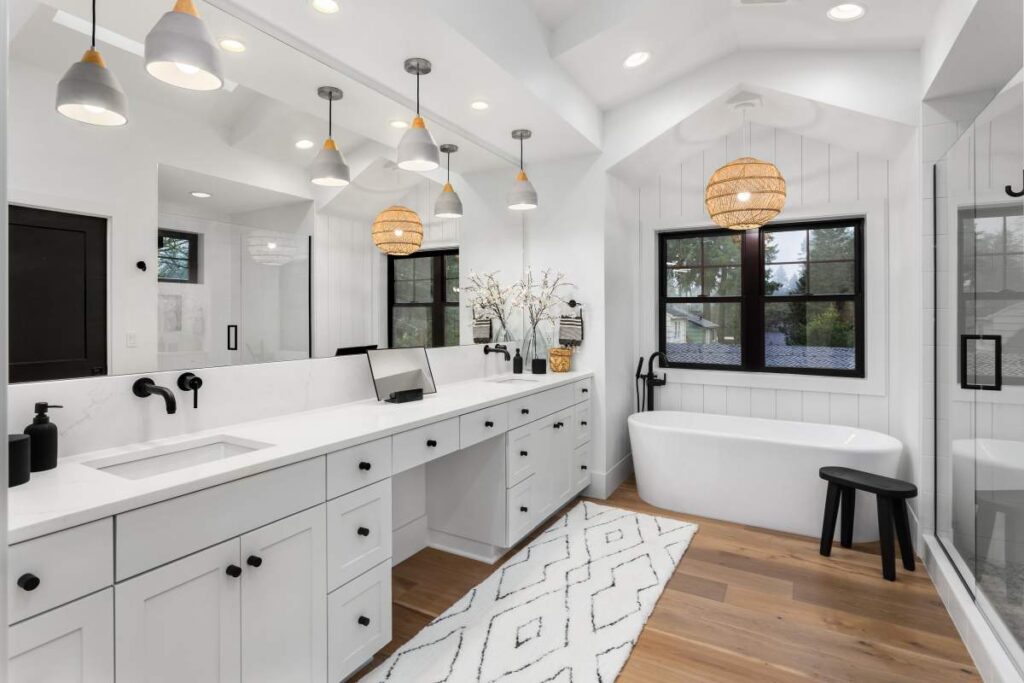
Modern home lighting works best when it combines three things: enough light for daily tasks, comfortable light for relaxation, and flexible controls for changing needs. A well-planned system does not depend on a single bright ceiling fixture. Instead, it layers several types of lighting throughout the home.
For households in Howard, OH, lighting decisions may also need to account for long winter evenings, changing daylight throughout the year, older housing layouts, and rooms that serve more than one purpose.
What are the main types of home lighting?
The three basic layers are ambient, task, and accent lighting. Each serves a different purpose, and most comfortable rooms use at least two of them.
Ambient lighting provides general illumination. Recessed fixtures, ceiling lights, chandeliers, wall-mounted fixtures, and evenly distributed track lighting can all serve this role.
Task lighting helps with activities that require more visual detail. Examples include under-cabinet lights in a kitchen, vanity lighting in a bathroom, reading lamps, and focused lighting over a workbench.
Accent lighting adds visual emphasis. It can highlight shelving, artwork, architectural details, plants, or textured walls. Accent lighting is not essential for seeing across a room, but it can make a space feel more balanced and intentional.
A common mistake is trying to make one overhead fixture perform all three jobs. That approach often creates glare, dark corners, and a room that feels either harsh or dim.
How should lighting be planned room by room?
Each room needs a lighting plan based on how it is used rather than its size alone.
Kitchens
Kitchens benefit from evenly distributed ceiling lighting combined with task lighting at counters, sinks, islands, and food-preparation areas. Under-cabinet fixtures are especially useful because overhead lights can leave the work surface in shadow.
Pendant fixtures over an island can provide both task lighting and visual character, but they should be positioned so they do not obstruct sightlines or create glare. A dimmer can make the same kitchen suitable for food preparation, casual meals, and evening gatherings.
Living rooms
Living rooms usually need more flexibility than a single central fixture can provide. A combination of ceiling lighting, floor or table lamps, and wall lighting allows different areas to be illuminated independently.
Avoid aiming every light directly at a television screen. Reflections can make viewing uncomfortable. Instead, use soft surrounding light and place fixtures where they illuminate seating areas without shining into people’s eyes.
Bedrooms
Bedrooms generally benefit from warm, lower-intensity lighting. Bedside lamps, wall-mounted reading fixtures, and dimmable ceiling lights make it easier to shift from daytime activity to nighttime rest.
Fixtures should be easy to reach from the bed when possible. In rooms with closets or dressing areas, additional lighting can improve visibility without requiring the entire bedroom to be brightly lit.
Bathrooms
Bathroom lighting should illuminate the face evenly. Fixtures placed on both sides of a mirror, or a properly designed fixture above it, usually produce less shadow than a single light mounted high overhead.
Moisture-resistant fixtures are necessary in areas exposed to water vapor or splashing. Placement must also follow electrical safety requirements, particularly near showers, tubs, and sinks.
Basements, garages, and work areas
Lower levels and utility spaces often need brighter, more uniform lighting. Multiple fixtures can reduce shadows around stairs, storage areas, laundry equipment, and work surfaces.
Motion sensors may be useful in rooms where lights are frequently left on, but the settings should allow enough time for people carrying items or moving between areas. In garages and workshops, color quality matters because it helps reveal surface details, wiring, labels, and tool markings.
What color temperature is most comfortable?
Color temperature describes whether light appears warm, neutral, or cool. It is measured in kelvins, with lower numbers appearing warmer and higher numbers appearing cooler.
Warm light often feels comfortable in bedrooms, living rooms, dining areas, and other relaxing spaces. Neutral light is generally useful in kitchens, bathrooms, offices, and laundry rooms because it provides clearer visual detail without feeling overly blue.
Very cool light can appear crisp, but it may also feel stark in a residential setting. Using different color temperatures throughout the home is acceptable, but abrupt changes between connected rooms can feel distracting. An open floor plan usually looks more cohesive when nearby fixtures use similar tones.
Color rendering also deserves attention. A light source with strong color rendering helps food, paint, wood, clothing, and skin tones appear more natural. This is particularly useful in kitchens, bathrooms, closets, and areas used for hobbies.
Are LED fixtures a good choice for remodeling?
LED lighting is widely used in remodeling because it can provide efficient illumination, long service life, and many fixture styles. It is available in recessed lights, strips, pendants, lamps, under-cabinet fixtures, and outdoor products.
The fixture itself is only part of the decision. Check the light’s brightness, color temperature, dimmer compatibility, beam spread, and rated location. A product designed for a dry interior ceiling may not be appropriate for a damp bathroom or an unconditioned area.
Another overlooked factor is replacement. Some fixtures contain integrated LEDs rather than replaceable bulbs. These can have a clean appearance, but the entire fixture may eventually need to be replaced. Standard sockets offer more flexibility when future bulb changes are a priority.
How can lighting reduce glare and eye strain?
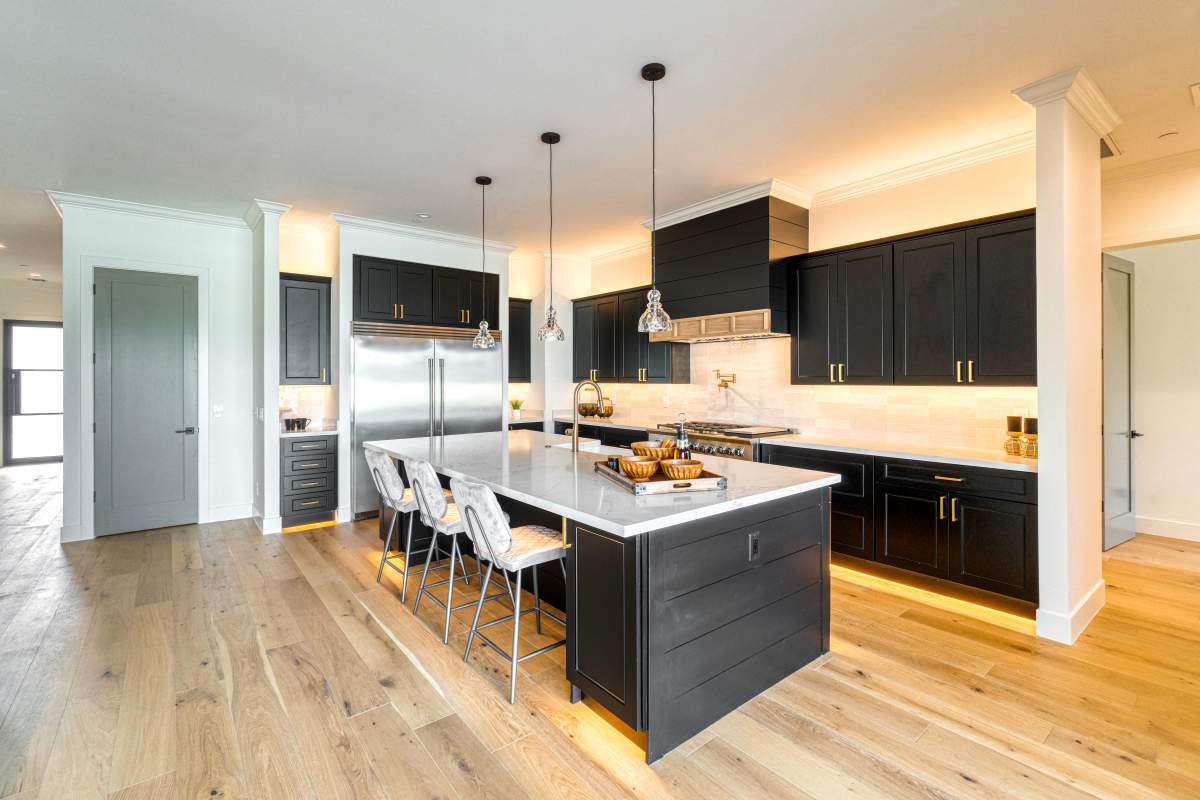
Good lighting is not simply a matter of adding brightness. Glare often comes from exposed bulbs, highly reflective surfaces, or fixtures aimed directly toward the viewer.
Helpful strategies include:
- Choose fixtures with diffusers, shades, or recessed light sources.
- Use several moderate fixtures instead of a few extremely bright ones.
- Keep bright sources out of direct lines of sight.
- Place task lighting near the work area rather than far behind the person using it.
- Use window coverings to manage strong daylight and reflections.
- Select dimmers so light levels can change during the day.
Glossy countertops, polished floors, mirrors, and large screens can all reflect light. During remodeling, fixture placement should be considered alongside the location of cabinets, appliances, windows, and furniture.
What should homeowners consider in older homes?
Older homes may have limited ceiling wiring, small electrical boxes, low ceilings, or layouts that were designed around fewer fixtures. A modern lighting plan may require changes to wiring, switch locations, ceiling openings, or circuit capacity.
Recessed fixtures are not automatically suitable for every ceiling. Insulation, framing, attic access, moisture, and clearance requirements affect the installation. In some rooms, surface-mounted fixtures, wall lighting, or plug-in lamps may provide a better solution with less disruption.
Homes with older electrical systems also deserve careful evaluation before adding numerous fixtures, dimmers, controls, or new circuits. Electrical modifications should be handled according to applicable safety requirements, especially in wet areas, unfinished spaces, and locations exposed to temperature changes.
How can outdoor lighting improve safety?
Outdoor lighting should help people see steps, walkways, entrances, address numbers, and changes in elevation without creating excessive glare for neighbors or passing vehicles.
Useful options include low-level path lighting, shielded entry fixtures, motion-activated lights, and illuminated doorways. Fixtures should be rated for outdoor or damp locations as appropriate. Placement matters more than raw brightness; a light aimed toward people’s eyes can make a walkway harder to navigate.
Seasonal conditions can affect outdoor fixtures. Moisture, ice, snow, mud, and freeze-thaw movement may loosen mounts or obscure low fixtures. Durable housings, protected connections, and accessible locations make routine inspection easier.
What lighting controls are worth considering?
Dimmers are among the most practical upgrades because they allow one room to support several activities. Three-way switches are useful in hallways, stairways, bedrooms, and rooms with more than one entrance.
Timers and occupancy sensors can reduce wasted energy in garages, utility rooms, closets, and bathrooms. However, sensors may respond poorly if furniture blocks movement or if the room is used for long periods without much motion.
Smart controls can add scheduling and remote operation, but they are not necessary for a successful lighting plan. Reliable switches and well-placed fixtures often provide more value than complicated controls. The best system is one household members can operate easily and consistently.