

 See My Latest Article on HelloNation
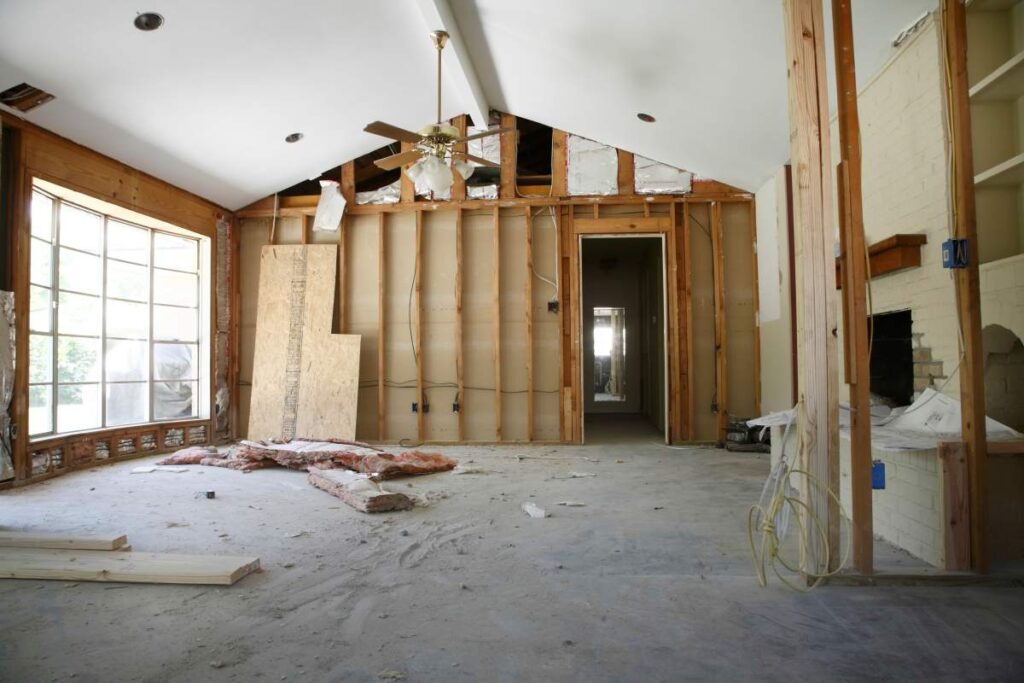
How Can Thoughtful Design Make Small Homes in Howard, OH Feel Larger?
Residents in Howard, OH often live in homes where efficient use of space matters—older farmhouses, lakeside cottages, and newer builds alike can all benefit from compact yet comfortable design solutions. Thoughtful design uses every inch wisely, relying on creative storage, light-enhancing methods, and versatile furniture to help rooms feel larger and more functional. Small changes, such as a shift in furniture arrangement or the addition of well-placed shelves, can significantly improve both daily comfort and overall enjoyment of a home.
What Are Some Core Principles to Follow for Small Space Design?
Using light colors, maximizing natural sunlight, and reducing visual clutter are effective strategies in homes throughout the area. Key principles include:
- Prioritizing multi-purpose or fold-away furniture to make better use of limited square footage.
- Creating visual continuity by repeating colors and materials.
- Keeping pathways clear to maintain an open feel.
- Utilizing vertical space, such as tall shelving, to store items off the floor.
In local homes where winter means spending more time indoors, these strategies help maintain a sense of openness and comfort.
How Can Entryways Feel More Open in Compact Layouts?
A well-designed entry sets the tone for the home and can prevent clutter from spreading. In smaller foyers, options include:
- Slim benches with hidden storage for boots and hats commonly used in Howard's colder months.
- Wall-mounted hooks and narrow shelves for mail and keys.
- Bright paint or a large mirror to reflect natural or artificial light, increasing the perception of space.
Even adding a runner or small rug that can be easily shaken clean offsets mud and slush during winter without crowding the area.
How Do You Make the Most of a Small Kitchen?
Kitchens in many area homes, especially lake properties or bungalows, can feel tight. Maximizing function without crowding is key. Consider:
- Open shelving instead of bulky upper cabinets to keep the space visually lighter.
- Rolling carts or island units that can be tucked away when not in use.
- Installing hooks beneath cabinets for cups, utensils, or mitts.
- Using drawer organizers and stacking shelves within cabinets to maximize storage.
Many local residents also find it helpful to keep only frequently used appliances on the counters, freeing up workspace and reducing clutter.
What About Compact Living Rooms—How Can Comfort and Function Coexist?
Living rooms often serve multiple purposes, especially in households that host guests or operate as combined media spaces. Residents find these strategies useful:
- Choosing a smaller-scale sectional or loveseat instead of a full sofa set.
- Opting for nesting tables or ottomans that double as storage.
- Mounting the television on the wall to open up more floor area.
- Hanging curtains close to the ceiling to draw the eye upward and make windows seem taller.
Flexible lighting—like floor lamps or sconces—accommodates gathering, reading, or relaxing without using up end table space.
What Solutions Work Best for Small Bedrooms?
In Howard and similar areas, bedrooms often have modest footprints. Creating a restful space without overcrowding the room can be achieved through:
- Under-bed drawers or containers for seasonal clothes and linens.
- Floating nightstands or narrow shelving instead of full-size bedside tables.
- Light, breathable curtains to maximize daylight during short winter days.
- A minimal color palette and compact, wall-mounted reading lights to keep the feel calm and unobtrusive.
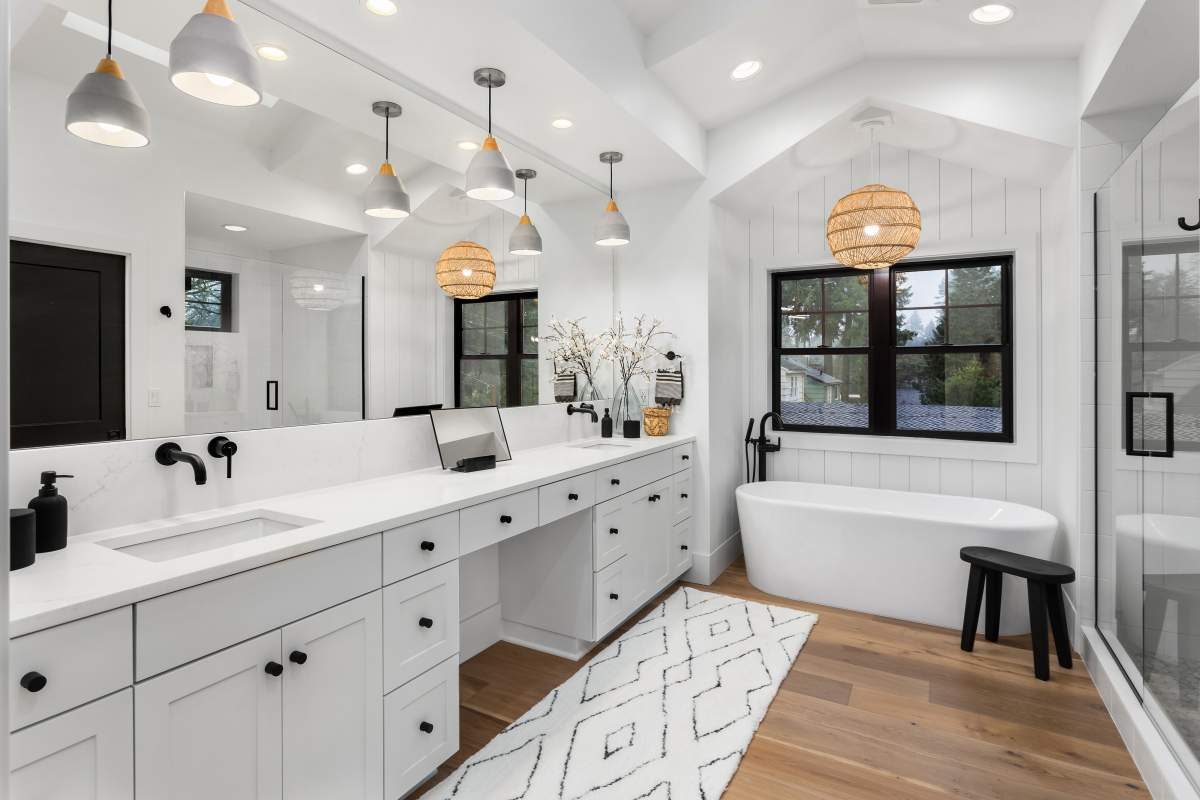
A common misconception is that larger beds always help with comfort; but in tight rooms, scaling down the bed often makes for a more restful and adaptable retreat.
How Can Bathrooms in Smaller Homes Offer Both Storage and Serenity?
Many area homes have bathrooms with limited square footage. Efficient use of space is crucial:
- Wall-hung vanities and open shelving keep the floor accessible and easy to clean.
- Hooks on the back of the door maximize towel storage.
- Recessed medicine cabinets provide both a mirror and storage without protruding into the room.
- Use of light colors and simple, clean lines helps the space feel less congested.
Regularly editing down toiletry and cleaning supplies limits overcrowded counters—a practical habit during spring cleaning and cold/flu season.
Are There Tricks to Designing Multi-Use or Flex Spaces?
Spare rooms in Howard homes often serve more than one function, such as a guest room that doubles as an office or craft space. Solutions include:
- Murphy beds or fold-out couches to allow quick transitions between uses.
- Open shelving units as subtle dividers between work and rest areas.
- Storage ottomans or trunks for quick clean-up and organization.
- Desk organizers and basket bins to control clutter and switch activities seamlessly.
Flexible flooring—like area rugs that can be moved or changed seasonally—helps define separate functions without permanent structural changes.
What Should Be Considered When Designing Small Outdoor Areas?
Outdoor living is cherished locally, even on compact decks or patios. Well-considered layouts focus on:
- Foldable or stackable furniture to make space for both gatherings and solo relaxation.
- Wall-mounted planters or vertical gardens to bring greenery without taking up floor area.
- Simple string lights or solar lanterns to extend usable time outside, especially during milder weather.
Screening for privacy can be achieved with trellis panels or tall planter boxes, especially useful when neighboring lots are close.