

 See My Latest Article on HelloNation
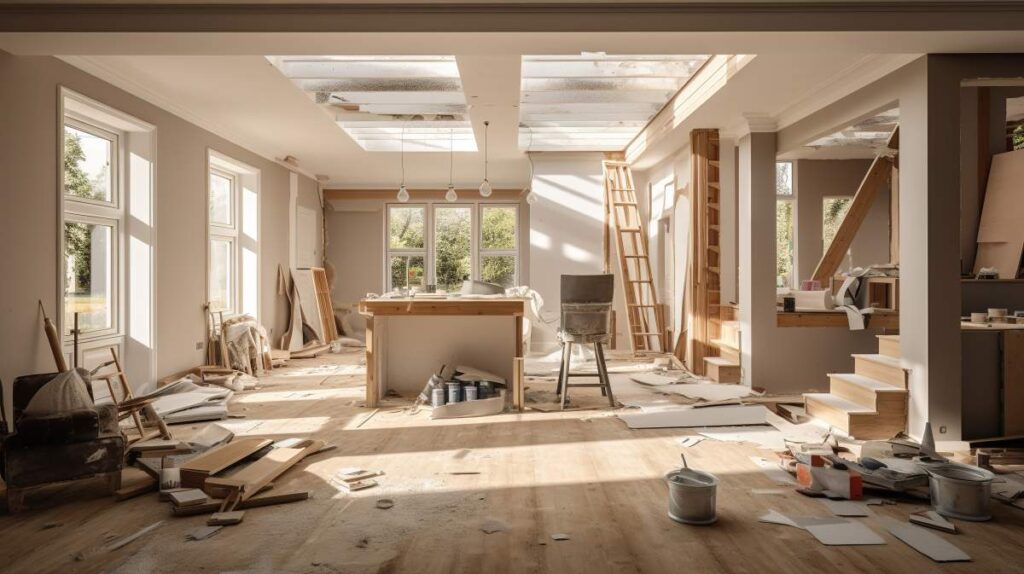
What Counts as an Eco-Friendly Home Upgrade?
An eco-friendly home upgrade refers to any change or improvement made to a house that reduces its negative impact on the environment, often saving money and resources over time. In Howard, OH, this often means installing more efficient fixtures, minimizing waste, and adapting to local seasonal conditions.
Eco-friendly upgrades typically focus on energy use, water conservation, healthy indoor air, and reducing the use of materials that harm the environment. Residents don’t need to undertake major projects to see real benefits—many upgrades are achievable for area families regardless of the size or age of their homes.
—
Which Energy-Efficient Upgrades Work Best Locally?
Upgrading home energy efficiency means using less power to achieve the same results, particularly important during hot summers and cold winters in the region. For Howard households, starting with the basics yields the most practical improvements.
Popular options include:
- Weatherstripping and Insulation: Older homes may lose heat in winter and cool air in summer through gaps and poorly insulated spaces. Adding high-quality insulation in attics and sealing around windows and doors can keep indoor temperatures stable, reducing reliance on heating and cooling systems.
- High-Efficiency Appliances: ENERGY STAR certified appliances, such as refrigerators, washers, and water heaters, use less electricity and water. These upgrades may qualify for utility rebates available regionally.
- Programmable Thermostats: Installing a programmable or smart thermostat can help tailor heating and cooling schedules for maximum efficiency, particularly during days with dramatic temperature swings.
Area residents should also keep in mind that most homes in Howard rely on a combination of electric and gas heating, so upgrades should match their home’s specific systems.
—
How Can Households Use Less Water?
Water conservation is both environmentally responsible and cost-effective, especially as seasonal rainfall can vary significantly throughout the year.
Simple and effective strategies include:
- Low-Flow Fixtures: Replacing showerheads, faucets, and toilets with low-flow models makes a noticeable difference in water use with no loss in performance.
- Rain Barrels: Collecting rainwater from gutters can provide water for gardens or indoor plants during dryer months, reducing the demand on municipal supply.
- Efficient Landscaping: Local yards often feature lawns, which require regular watering. Native plants and xeriscaping require far less maintenance and thrive with minimal irrigation.
—
Are There Health Benefits to Eco-Friendly Upgrades?
Eco-friendly changes frequently improve indoor air quality, making homes healthier. In the city, homes built in previous decades may contain materials or finishes that emit volatile organic compounds (VOCs) or harbor mold.
To create a safer environment:
- Use Low- or Zero-VOC Paints: Modern paints and finishes contain fewer harmful chemicals and limit indoor air pollution.
- Improve Ventilation: Installing or updating bathroom and kitchen exhaust fans reduces indoor humidity and keeps air fresh.
- Choose Hard Flooring: Swapping old carpets for bamboo, cork, or tile helps reduce dust and allergens, which is especially useful for households with seasonal allergies.
—
What Are Cost-Effective Eco-Friendly Projects for Existing Homes?
Eco-friendly upgrades don’t always require major investments. Many projects are easy enough for most homeowners or renters and pay for themselves over time.
Some examples well-suited to the area:
- LED Lighting: Swapping incandescent bulbs for LEDs lowers energy use and produces less heat—helpful for keeping homes cool in the summer.
- Weatherproofing Windows: Adding inexpensive window film, caulk, or draft blockers keeps outside air where it belongs, particularly helpful during winter.
- Smart Power Strips: Electronics draw power even when switched off. Smart strips cut electricity waste from “phantom loads.”
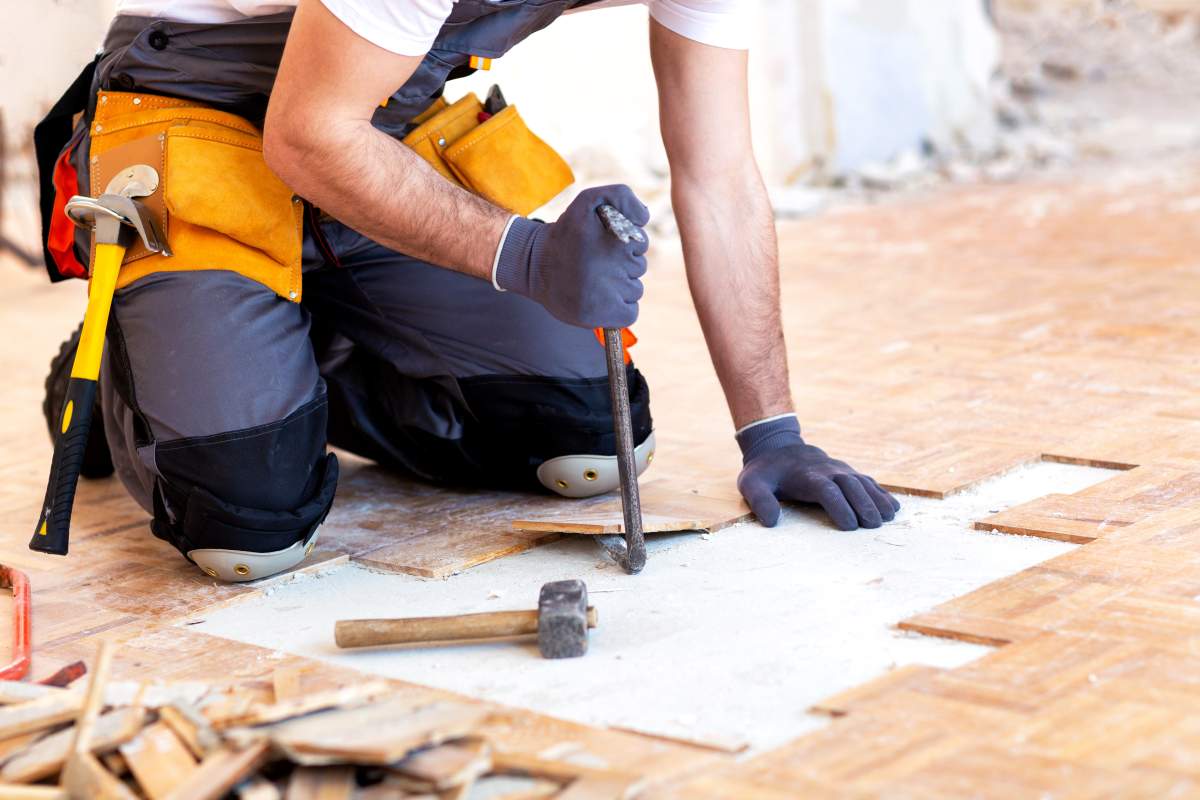
It’s common for residents to overestimate the effort needed for these changes. Even a few small adjustments can yield measurable results in lower bills and enhanced comfort.
—
Are Solar Panels Suitable for Homes Here?
Solar energy is becoming increasingly common, and Howard’s average sun exposure is generally sufficient for moderate production. Installing panels can be a larger investment and may require permits or specific roof conditions, but the technology is more accessible than many expect.
Key points for consideration:
- Roof Orientation and Shade: South- and west-facing roofs without major shade offer the best returns.
- Local Regulations: Homeowners should consult local ordinances and homeowner association guidelines before installation.
- Grid Connection: In most cases, solar panels are connected to the regional power grid, allowing families to use solar power during daylight and draw from the grid at other times.
Solar can be paired with smaller steps like energy audits to maximize efficiency and savings.
—
What Misconceptions Do Homeowners Have?
Many people assume eco-friendly upgrades must be costly, complex, or offer only minor benefits. In reality:
- Small, simple projects add up—weatherstripping or changing filters are quick, budget-friendly, and effective.
- Upgrades can often be done incrementally over time rather than all at once.
- Newer technology (like smart thermostats or efficient appliances) is generally compatible with older homes.
Another misconception is that “green” materials are hard to find or don’t last. Many manufacturers now produce durable, affordable eco-friendly options designed for residential remodeling.
—
How to Prioritize Upgrades in This Community?
The best place to start is often a simple self-audit: walk through the home and note drafts, older appliances, or areas where water tends to be wasted. Focus first on projects that address comfort (like insulation or weatherproofing), followed by water and energy savings, and finally on larger investments like solar or heat pump systems as budget allows.
In Howard, the climate, age of housing stock, and typical household routines may influence the sequence and choice of upgrades. Those living in older homes might prioritize weatherproofing, while those planning to stay long-term could consider renewable energy or efficient HVAC systems.
—